Roll-Off Weight and Loading Guide
Understand container loading, weight considerations, overloading, safe fill levels, and why material density matters on commercial and industrial projects.
Why loading matters
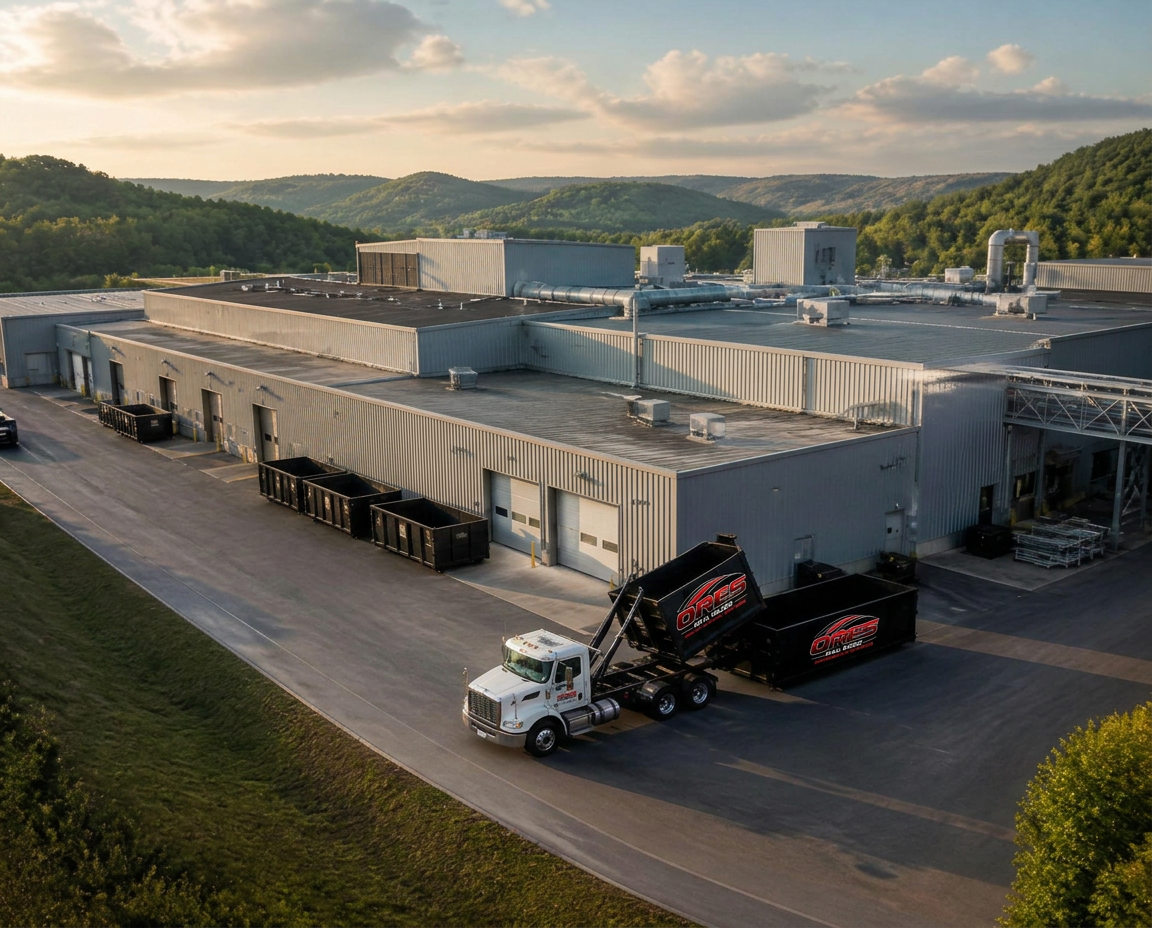
Roll-off containers are engineered for volume, but every haul is governed by axle weight limits, road regulations, and the equipment rating of the truck and container. Loading a container correctly protects the driver, the roadway, and your project schedule.
Safe fill levels
- Keep material below the top rail. Overfilled containers cannot be legally hauled.
- Distribute weight evenly from front to back to protect the truck and container.
- Do not stack loose debris above the sidewalls, even temporarily.
- Do not tarp over an overfilled container. Reduce the load or request a swap.
Material density
Dense materials — concrete, brick, block, asphalt shingles, wet soil, and demolition debris — reach legal transport weight long before they fill a container. Lighter materials like framing lumber, drywall, and general C&D debris can typically use a larger container. ORES will recommend a container size based on your specific material stream.
Prohibited overloading
Loads that exceed the truck or container weight rating cannot leave the jobsite. If a container is overloaded, material must be removed before pickup or the container must be re-worked into two loads. This is a safety and DOT compliance requirement.
Prohibited materials
Requirements vary by disposal facility and jurisdiction. Common items requiring special handling include hazardous waste, liquids, tires, appliances containing refrigerants, batteries, and regulated medical waste. Contact ORES before loading any regulated or unusual material.
General planning information only. Weight limits, accepted materials, and disposal rules vary by disposal facility, jurisdiction, and contract. Contact ORES for project-specific guidance.
Need help planning your waste program?
ORES provides 30-yard and 40-yard roll-off service for commercial, industrial, municipal, and government projects across East Tennessee.